

The NFL Draft is the ultimate crapshoot. The concept of a sure thing is sheer fantasy. It's like if you were shooting a basketball, but as each pick passes, you have to take a step back. Sure, it's easier to make it from up close, though still not a guarantee. Look no further than the layup selection of JaMarcus Russell by the Oakland Raiders in 2007. They were right under the basket — and airballed. It happens. Browns fans hope it's not them fumbling this time around with pick No. 6.
But what if I told you there was a way to game the system, a data-backed conclusion that paints a stunningly clear picture? There is, and it's in the form of the trade-down. I went into the lab and gathered the data on first-round trades in the 10 drafts between 2014–2023, excluding the two most recent years because those players haven't had enough time to author their stories yet.
I used Pro Football Reference's Approximate Value (AV) metric, which admirably aims to do the impossible: placing a numeric value on an individual player's contributions, regardless of position. I compared the total career AV gained by each team in 60 first-round trades in the time period, and the results were staggering. Here is an example, using the Bills–Browns Sammy Watkins trade-up from 2014.
Buffalo Bills Receive | Cleveland Browns Receive |
|---|---|
2014 Round 1, Pick 4: WR Sammy Watkins (51 AV) | 2014 Round 1, Pick 9: LB Anthony Barr (67 AV) |
2015 Round 1, Pick 19: OL Cameron Erving (32 AV) | |
2015 Round 4, Pick 115: S Ibraheim Campbell (6 AV) |
By virtue of the 51–105 value difference, the Browns "won" this trade by a hefty margin. It doesn't matter that Anthony Barr never played in Cleveland; it's simply about what the pick turned out to be. This one trade perfectly illustrates the grand takeaway over a 10-year, 60 trade sample.
History shows teams that trade down tend to come out ahead in the long run
The record for the team trading down was 40–18–2. In other words, about 67% of the time, the team that accumulated more picks wound up getting more value from their haul than the team that moved up. When you consider that it's simply more shot attempts, you're more likely to make one the more attempts you have.
An interesting trend was that five of the 18 occurrences (28%) where the trading up team got more value were in their selection of a franchise quarterback. This tells us that trading up should usually be reserved for a QB that a team believes can be the face of their franchise. Alas, with a draft class like 2026's, with no top-tier QB prospect other than Fernando Mendoza, the Browns shouldn't even pick up the phone if a team picking ahead of them gives them a call.
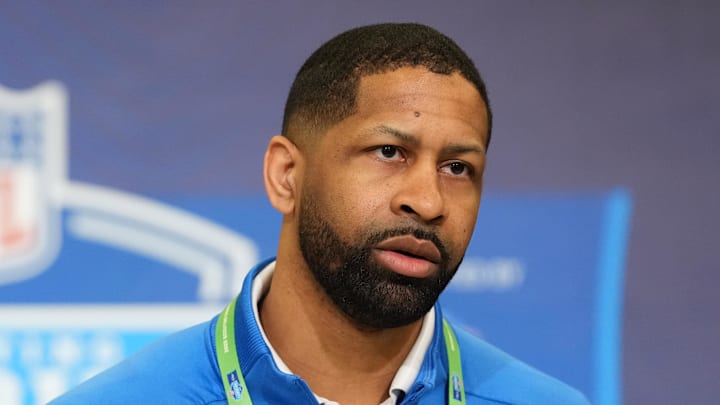
Andrew Berry should instead be working the phones — just as he did in 2025 — to get even more value out of the admittedly miserable Browns season that just came to a merciful end. In typical Cleveland Browns fashion, their premium draft choice coincides with a defense-heavy draft. This has led pundits to tab the Browns as a team frequently "reaching" with their top pick.
Instead, the Browns should sell their pick to the highest bidder, ideally acquiring additional selections in next year's draft to position themselves favorably again, all until they've built a sustainable winning team.
The best teams in the NFL are typically those who use the most draft picks. In fact, of the 10 winningest teams over the last three years, eight of them rank in the top half of the league in terms of selections made.
The recipe is there. All that's left for Andrew Berry to do is cook.
 Add us as a preferred source on Google