

As NFL franchises prepare diligently for the draft, there is a seemingly endless wave of reports of players taking top-30 visits. For those who may not know, each team is permitted 30 visits to team headquarters with prospects in advance of the draft. These sessions allow teams to further familiarize themselves with the player via interviews and conduct any additional medical testing they would like.
An important note is that players who are local products or went to school nearby do not count toward the total. With that out of the way, the natural follow-up question is: how important are these pre-draft meetings?
In a league as competitive as the NFL, there is always going to be varying strategic use of this mechanism. Some teams likely use it only to vet players they have red flags on. Other teams may use it as a way to get to know a player they truly have no realistic way of drafting. For example, last year, just about everyone knew that Cam Ward was going No. 1. The Browns, Giants, and Raiders flew him in anyway.
Then, there are some teams that seem to truly use this tool as a way of digging deeper on players they have a great deal of interest in, and by all appearances the Browns are one of these teams.
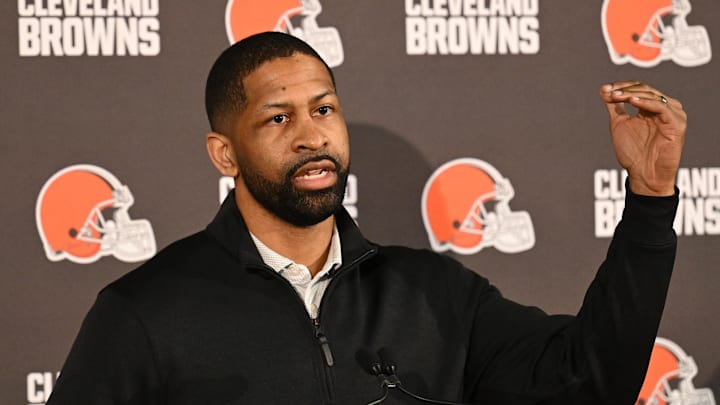
Andrew Berry’s top-30 visit history has already revealed clear draft patterns
In the last three drafts, Andrew Berry and Co. have selected 20 players. Of those 20, eight had been to Cleveland on a top-30 visit (40 percent). Furthermore, the Browns have signed a pair of undrafted free agents — Isaiah Bond (2025) and Javion Cohen (2024) — who rubbed elbows with the Browns coaching staff and front office during pre-draft trips to Cleveland.
An additional three players who had pre-draft stops in Cleveland wound up being drafted by other teams, but still found their way to the Browns after being released by their respective franchises. These players are wide receiver Malachi Corley (Jets), linebacker Edefuan Ulofoshio (Bills), and tight end Cameron Latu (49ers).
Suffice to say, Andrew Berry seems to truly value these more personal interactions with prospective Cleveland Browns. Going forward, fans should keep this information in mind when there are reports of incoming rookies making their way to Cleveland before the draft.
While it remains early in the process, the Browns have been busy scheduling and conducting visits with 2026 draft prospects.
The following players have been linked to the Browns so far, and the list will undoubtedly continue to grow: Oklahoma EDGE R Mason Thomas, Arizona State wide receiver Jordyn Tyson, Alabama quarterback Ty Simpson, Ohio State wide receiver Carnell Tate, USC wide receiver Makai Lemon, Miami offensive tackle Markel Bell, Indiana wide receiver Omar Cooper Jr., Toledo safety Emmanuel McNeil-Warren, and Louisville wide receiver Chris Bell.
The fact that five of the nine have been receivers should be a clear indicator of how glaring the team's need at that position is. Simpson continues to gain steam as his connections to Todd Monken cannot be ignored. His purported visit will do nothing to quash those rumors.
The two defenders on the list appear to be less pressing needs, albeit highly touted prospects regardless. Finally, Markel Bell profiles exactly how Andrew Berry appears to prefer his offensive tackles — behemoths among giants. At 6-foot-9 and tipping the scales at 346 pounds, Bell immediately draws comparisons to Dawand Jones (6-foot-8, 374 pounds).
While there's no world where the Browns can grab all of their guests of intrigue, at least one of those receivers appears to be in line to don the brown and orange in the near future. Bell is also a realistic possibility as a later-round prospect that the Browns will have ample opportunity to select.
 Add us as a preferred source on Google