

It’s not uncommon for NFL teams to swap high-priced, aging veterans for mid- to late-round draft picks via trade as the calendar flips to March. Now one week out from the start of the new league year, it’s smart business to make those moves before the money's spent and the rosters are filled.
It’s far less common, however, for a rebuilding squad like the Cleveland Browns to take that approach.
Most Browns fans would probably agree that their team is better off selling veteran players right now than it is trading draft capital for established starters on other teams. Cleveland’s decision to trade a fifth-round draft pick for Houston Texans right tackle Tytus Howard certainly raised some eyebrows on Monday morning, as Howard is now entering his age-30 season and the Texans were happy to recoup some value and modest salary cap savings (about $4.2 million after dead-cap hits, per Over the Cap) in exchange for player they clearly didn’t view as part of their future.
It’s one thing for Howie Roseman, a key mentor for current Browns GM Andrew Berry during their time together in Philadelphia, to pull off this kind of move, which he’s been doing over and over for years. But the Browns? In Year 1 of an offensive rebuild under first-year head coach Todd Monken? It’s entirely fair to question the team’s motive here.
On that front, CBS Sports insider Jonathan Jones said what Browns fans know to be true when it comes to their team courting veterans on the open market each spring.
“When you’re the Cleveland Browns, you don’t have that much cap space, right? We’ve been talking about that for so long. You’re also, as the Cleveland Browns, not really a garden spot. You’re not a destination. So how many free agents, once we get to unrestricted free agency next week, are going to choose the Cleveland Browns to go to? That is why they needed to trade. They needed to find a trade partner who had an offensive lineman that maybe they wanted to get out from under with the contract. Well, enter the Houston Texans.”
Why the Cleveland Browns made the move to get Tytus Howard in a trade before the start of free agency pic.twitter.com/fJ5pKKpphn
— Jonathan Jones (@jjones9) March 2, 2026
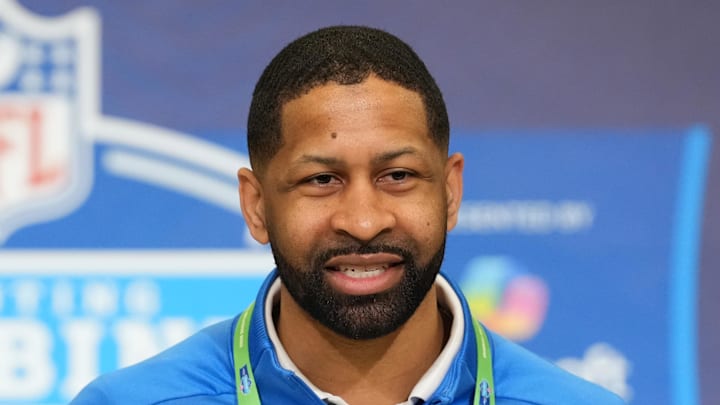
Andrew Berry’s latest trade was a strategic risk born out of necessity
Fans have every right to be critical of Berry, but Monday’s move for Howard should be far down the list. It was the lack of foresight that got Cleveland into its current offensive line mess that deserves the most pointed criticism.
Berry essentially made his bed for opting to spend four draft picks on running backs and quarterbacks in 2025, and zero on offensive linemen. As a result, the team was left trying to squeeze one more good year out of an aging group that included Joel Bitonio, Wyatt Teller, Ethan Pocic, and Jack Conklin, with a lack of young talent and adequate depth behind them. Now, it's possible all four of those starters either play elsewhere in 2026 or choose to retire.
Berry left himself staring down some major potential voids up front, even after hiring a new head coach in Todd Monken, whose offense runs the football more than any other team in the NFL.
Throw in Cleveland’s tricky salary cap situation — they entered the week with less than $1 million in space after the league set the official number at $301.5 million — and Jones’ take hits the nail on the head. With Deshaun Watson, Myles Garrett, and Denzel Ward set to earn close to $100 million in real cash on their own this year, the Browns frankly don’t have the wiggle room to be big spenders or win bidding wars in free agency.
They’ll have to be strategic, and that’s exactly what Monday’s move was.
The Browns entered Monday with three fifth-round selections, all inside the top 150. Moving one of them for Howard not only filled an important need, but got the player to Cleveland at a number the team was clearly comfortable with. Based on Spotrac’s estimates, Howard will make $18 million in 2026, which puts him just outside the top 25 highest-paid tackles in football; the two-year, $45 million extension he signed starts in 2027 and would move him closer to the top 10.
Hey, as long as Haslam, who’s spent more than any other owner in the NFL on player contracts over the last five years, is willing to cut the checks, Berry can restructure deals and make the cap work in his sleep. It all comes down to motivation, and Monday’s move at least shows that the team is motivated to bring in the best players it can feasibly get prior to this year's draft.
 Add us as a preferred source on Google