

It’s been 15 days since the Cleveland Browns traded a sports icon in Myles Garrett. Making sense of such a seismic decision takes time, and the franchise's new direction seems to get clearer with each passing week.
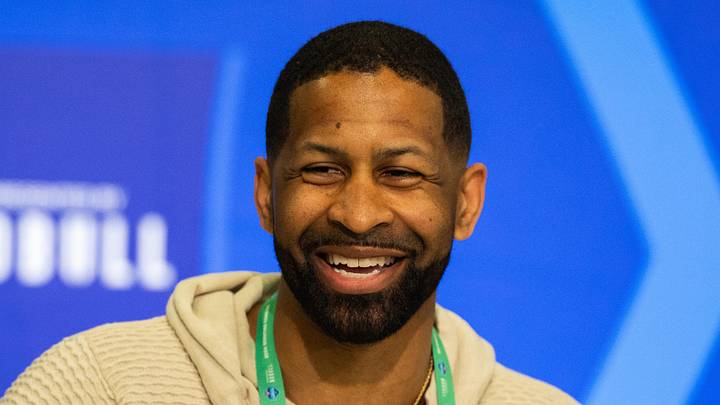
General manager Andrew Berry admitted to reporters that trading Garrett wasn’t part of some master plan for this 2026 offseason. It took a young, ascending replacement with a rookie-scale contract like Jared Verse, as well as a sizable haul of future draft capital, to compel the Browns to move a future first-ballot Hall of Famer who’s still clearly in his prime.
Had Berry known that Verse, a 2027 first-round pick, and two future Day 2 selections would be on the table for Garrett straight-up entering his age-31 season, he likely would have approached the first three months of the new league year differently.
Cleveland has clearly been bracing for this possibility, though, and some of Berry’s most talked about 2026 decisions have actually aged quite well since Garrett touched down in L.A.
Several crucial Cleveland Browns decisions look different now that Myles Garrett is gone
Kicking the next major QB investment to 2027
The one thing the Browns couldn't realistically sell to fans was running it back with Shedeur Sanders, Deshaun Watson, and Dillon Gabriel at quarterback this year. The front office’s decision to make no major free agent signings or trades in March only invited backlash from fans and analysts alike.
The decision to stand pat, outside of using a sixth-round draft pick on Arkansas’ Taylen Green, makes a lot more sense after the Garrett trade. Had the Browns, say, signed Malik Willis to a big three-year contract or pulled off some sort of trade and extension for Mac Jones, they would have had a harder time justifying the Garrett deal.
The Browns' quarterback situation alone suggests that they’re already playing for 2027. Kicking the can down the road to next year’s draft (and expected fruitful quarterback class) fits the team’s direction well, especially with it once again holding a pair of first-round selections.
Stockpiling extra draft capital during the 2026 NFL Draft
The Browns were clearly high on offensive tackle Spencer Fano entering Day 1 of the draft. That didn’t stop them from trading back from No. 6 overall with the Kansas City Chiefs, though, at least creating the possibility of another team swooping in and stealing their guy.
Berry and the Browns had a strong read on the board, however, and the extra draft capital they received from the Chiefs ended up turning into Florida tackle Austin Barber and a pair of 2027 fourth-round draft picks.
Now, with the Garrett compensation added to the haul, the Browns hold a whopping 11 total selections for a 2027 draft that’s expected to be one of the best in recent memory. Seven of those picks are between Rounds 1 and 4.
Cleveland just traded the face of the franchise, but it will have a chance to secure a franchise-altering draft class next year because of that move, as well as those preceding it.
Waiting on contract extensions for Grant Delpit and Denzel Ward
The Browns reportedly held Ward and Delpit out of last week’s mandatory minicamp with “minor injuries,” but what those two players are actually looking for are some major adjustments to their current contracts.
Delpit is entering the final year of his deal, which per Spotrac is set to automatically void 23 days prior to the start of the 2027 league year. He’s set to earn $12 million this season, but none of that money is guaranteed.
The Browns restructured Ward’s contract earlier this offseason for salary cap purposes, but he’s in a similar boat as Delpit. He’s signed through 2027, but he has no guaranteed money left on his current deal and he’s carrying the largest cap number on the roster outside of Deshaun Watson. Still only 28, Ward has plenty of leverage for one more big contract extension after reaching his fifth career Pro Bowl in 2025.
By waiting on these extensions until at least training camp, the Browns are affording themselves options. Both players are scheduled to earn enough this season where a long holdout feels highly unlikely. Cleveland’s long-range plan should include drafting a first-round quarterback in 2027 and building around that window. Both Ward and Delpit should fit that timeline, but they could also draw enough trade attention to warrant the Browns’ more cautious approach with their contracts.
With Garrett gone, trading one of those two defensive stars for added draft capital on top of cash and cap savings cannot be ruled out.
Committing to a youth movement early
The only way to make sense of the Garrett trade from a Browns perspective is the inclusion of Verse, who’s entering his third year as a pro and won’t even be extension eligible until 2027.
Verse is now the centerpiece of a youth movement that features 54 players aged 25 or younger. That’s well over 50 percent of Cleveland’s 90-man training camp roster.
Garrett joined David Njoku, Wyatt Teller, Joel Bitonio, Jack Conklin, Ethan Pocic, and Shelby Harris as players beyond or entering the age of 30 who are no longer with the team. This would have been a young roster around Garrett anyway. Fully embracing a youth movement and full-on rebuild can be a tough sell to the fans, but for the 2026 Browns, it was probably the most prudent approach.
 Add us as a preferred source on Google